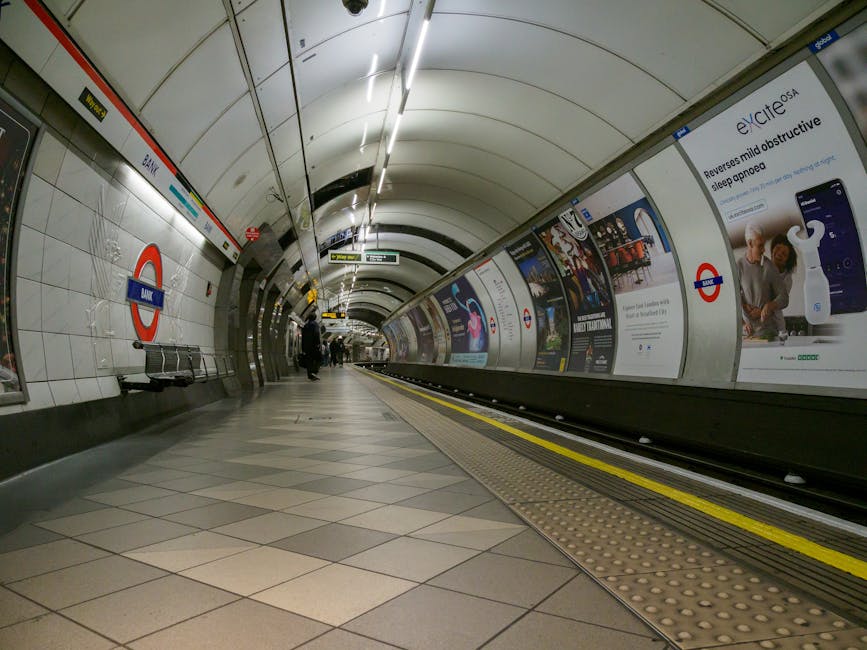
East Croydon station rubbish removal guide for commuters
If you commute through East Croydon, you already know how quickly a small pile of rubbish can become a proper nuisance. A cracked office chair left by the bins, a broken suitcase on the way to the station, or a bag of flat clearance waste you meant to deal with "later" can all add stress to an otherwise ordinary journey. This East Croydon station rubbish removal guide for commuters is here to make the whole thing simpler, safer, and a bit less chaotic. Whether you are heading to work, coming home late, or trying to clear clutter between train times, the aim is the same: move waste on quickly without making your day harder.
Truth be told, commuting and waste removal do not always mix neatly. You are juggling timetables, limited time, access issues, and that awkward question of what can be left where. This guide walks through the practical side of it all, from choosing the right removal method to avoiding common mistakes around bulky items, appliances, and mixed waste. It also explains when professional help is the more sensible route, especially if you want a fast turnaround near a busy transport hub.
For readers who want a broader service overview while planning ahead, the main waste removal service page is a useful place to start, and if you are comparing trust signals, the company's about us page and insurance and safety information are worth a look.
Table of Contents
- Why East Croydon station rubbish removal guide for commuters matters
- How East Croydon station rubbish removal guide for commuters works
- Key benefits and practical advantages
- Who this is for and when it makes sense
- Step-by-step guidance
- Expert tips for better results
- Common mistakes to avoid
- Tools, resources and recommendations
- Law, compliance, standards, or best practice
- Options, methods, or comparison table
- Case study or real-world example
- Practical checklist
- Conclusion
- Frequently Asked Questions
Why East Croydon station rubbish removal guide for commuters Matters
East Croydon is one of those places where movement is constant. Trains in and out, people changing platforms, buses pulling up, deliveries arriving, and everyone trying to keep pace. In that setting, rubbish becomes noticeable fast. A few cardboard boxes, a damaged desk lamp, or one heavy bag left in the wrong place can create a problem for both the person carrying it and the people around them.
The issue is not just tidiness. It is timing, access, and responsibility. Commuters often have very little spare time, which means waste can sit in hallways, porches, shared entrances, or office corners longer than intended. That creates clutter, can attract complaints, and sometimes leads to unsafe lifting or awkward blockages. If you have ever tried to carry a lump of unwanted junk while watching the clock tick toward your next train, you will know exactly how quickly the mood changes.
There is also the local reality of busy pavement space around transport links. You cannot assume that leaving something outside "for a minute" is harmless. In many situations, that simply creates more hassle for everyone. A better approach is to plan the removal properly, choose the right service for the job, and keep your items contained until collection. Simple, yes. But not always easy when you are rushing.
Expert summary: if your waste is bulky, mixed, or time-sensitive, the best solution is usually not to improvise on the day. Prepare it, separate what can be recycled, and use a removal method that fits your schedule rather than fighting it.
How East Croydon station rubbish removal guide for commuters Works
At its core, rubbish removal for commuters near East Croydon is about making waste disappear without disrupting the rest of your day. That might mean arranging a same-day collection before or after work, moving items from a flat or office to a loading point, or separating clear recyclable materials from general waste so the collection is faster and cleaner.
The process usually starts with a quick assessment. What do you actually need removed? Is it one item, a few bags, or a larger clearance involving furniture, appliances, or building offcuts? Once that is clear, you can decide whether a general collection is enough or whether you need a more specific service such as furniture disposal, mattress and sofa disposal, or even fridge and appliance removal.
For bigger jobs, a mixed waste solution is often the most efficient. A commuter moving out of a rented flat, for example, may have old shelves, a broken table, and a few bags of general clutter. Another person might be clearing an office after a rushed relocation and find they need office clearance rather than just a simple load-and-go collection. The key is matching the method to the mess. Not glamorous, but it works.
Most reputable removal services will also factor in sorting, lifting, loading, transport, and proper disposal. Some items are suitable for reuse or recycling, while others need specialist handling. That is where a careful provider can save time and reduce the risk of you making a well-meaning but expensive mistake.
Key Benefits and Practical Advantages
People usually think of rubbish removal as a cleanup task, but for commuters it offers a few very specific benefits. The first is obvious: less to carry, store, or worry about. The second is quieter, less stressful movement through a busy routine. The third is that it can prevent small issues from turning into larger ones.
- Time saved: if you work near East Croydon or pass through daily, removing waste in one planned visit is far easier than dragging it out over several evenings.
- Less risk of damage: awkward items in tight hallways or stairwells can scratch walls, chip paint, or catch on door frames.
- Safer lifting: heavy bags and bulky furniture can be a strain, especially if you are rushing for a train.
- Cleaner shared spaces: in flats and offices, quick removal helps keep communal areas usable and less irritating for everyone else.
- Better recycling outcomes: a sorted load is easier to reuse, separate, or divert from landfill where possible.
There is a less obvious benefit too: mental space. Clutter sits in the background of your day. You see it when you leave for work, again when you come home, and again the next morning. Once it is gone, the relief is real. Small thing, maybe. But it matters.
For people managing business waste, the same logic applies. A compact, reliable collection can keep operations moving without turning the office into a temporary storage depot. If that sounds familiar, the business waste removal page may be relevant alongside the general waste removal option.
Who This Is For and When It Makes Sense
This guide is for a few different types of commuters, and the overlap is bigger than you might think. Not everyone is dealing with a full-house clearance. Sometimes it is just a bag of office rubbish. Sometimes it is one broken chair. Sometimes it is a flat that has quietly accumulated too much stuff and now needs a proper reset.
You will probably benefit from this approach if you are:
- a commuter with bulky rubbish that does not fit in normal bins
- a renter moving out of a flat near East Croydon
- a landlord or letting agent arranging a quick turnaround between tenancies
- an office worker dealing with old furniture or storage clutter
- a homeowner clearing space before a renovation or sale
- someone who simply does not have time for multiple trips to a recycling centre
It makes particular sense when items are awkward, heavy, or mixed. A few bags are one thing. A wardrobe, a radiator, a broken appliance, and a pile of packaging are another story entirely. In those cases, a targeted service such as home clearance, flat clearance, or house clearance is often more practical than trying to manage it piecemeal.
There are also smaller, very ordinary moments where help is sensible. You buy a replacement sofa and the old one is suddenly the thing blocking the living room. Or you clear the loft on a Saturday, and by Monday morning you are staring at a mountain of bags and wondering where the time went. We have all done that kind of half-plan, haven't we?
Step-by-Step Guidance
If you want this to be smooth rather than stressful, follow a simple process. Nothing fancy. Just a clear sequence.
- Identify the waste type. Separate general rubbish from reusable items, recyclable materials, and anything that needs specialist disposal.
- Check for bulky or restricted items. Mattresses, fridges, freezers, chemicals, paint, and electronics may need different handling.
- Choose the right service. A small load may suit standard waste removal, while larger household jobs may need home clearance or furniture clearance.
- Prepare the items. Flatten boxes, bag loose waste, and keep sharp or fragile items safely contained.
- Make access easy. Keep corridors clear, unlock gates if needed, and note any parking or loading constraints in advance.
- Ask about recycling and disposal. A responsible provider should explain what happens to the waste, especially if you want better sustainability outcomes.
- Book the collection around your commute. Early morning, lunch break, or after work may be easiest depending on the site and access.
- Confirm any special requirements. If there are stairs, narrow entrances, or security checks, say so up front.
A small tip that saves hassle: take photos before collection. Not for drama, just for clarity. A quick phone picture helps you explain the load properly and avoids the "it's bigger than I thought" moment later. That little habit is surprisingly useful.
If you are planning to book rather than simply browse, the book online page can help you move from intention to action without dragging the process out.
Expert Tips for Better Results
Good waste removal is mostly about preparation. The actual lifting is only part of the job. Here are the habits that make the biggest difference in real life.
- Keep similar items together. Cardboard with cardboard, wood with wood, soft furnishings together. It speeds up sorting and often makes the job cleaner.
- Break down what you safely can. Flat-packed furniture and crushed boxes take up less room and are easier to handle.
- Do not hide problem items in general waste. If something is hazardous or specialist, say so. It is better to be honest than create a disposal issue.
- Ask about reuse before disposal. Some furniture or appliances may still have life left in them, and a proper provider will usually know how to route them appropriately.
- Plan around station pressure points. At busy times, even a short walk with a trolley can be awkward. Early collection slots can feel much calmer.
- Use the right service for the right item. A sofa is not the same as a bag of office shredding, and a fridge is not the same as builders' rubble.
One thing people often forget is that the "easy" part of the job is usually the visible part. The hidden value is in not having to think about it twice. That is the bit commuters really pay for, even if they do not say it out loud.
If you are dealing with renovation debris or mixed site waste, the builders waste clearance service may be a better fit than a general collection. For lofts, garages, and storerooms, more tailored services can be the difference between a tidy exit and a very long afternoon.
Common Mistakes to Avoid
Most rubbish removal problems are not dramatic. They are small oversights that snowball. The good news is that they are easy to avoid once you know what to watch for.
- Leaving waste out too early. In a station area or shared building, that can create clutter, complaints, or access issues.
- Assuming everything can go together. Mixed waste is common, but certain items need specialist handling.
- Underestimating the weight. A bag that looks manageable when you are calm can feel very different when you are late for a train.
- Forgetting access details. Tight stairs, lack of parking, or secure entry points can all slow things down.
- Trying to move large furniture alone. This is one of those jobs people regret halfway through. To be fair, we have all had one of those "this should be fine" moments.
- Ignoring recycling opportunities. Not every item should be treated as general rubbish by default.
Another common issue is poor timing. If you know you have a late meeting, a school run, or a train connection, do not squeeze waste removal into the same narrow window unless the provider has confirmed it will fit. Crowded schedules and bulky waste are not a friendly combination.
Finally, do not guess with items that may be hazardous or awkward to transport. If you are not sure, ask. It is a much smaller problem to clarify than to deal with a refusal or a safety concern later.
Tools, Resources and Recommendations
You do not need a van and a mountain of equipment to manage commuter rubbish removal well. Usually, a few basic tools and a bit of organisation are enough.
- Strong refuse sacks: useful for mixed household waste, soft items, and smaller clear-outs.
- Marker pen or labels: handy if you want to separate recycling, donate, and dispose piles.
- Gloves: sensible for rough cardboard, broken packaging, or dusty loft items.
- Tape and boxes: useful for loose parts, cables, and smaller breakables.
- Phone photos: excellent for giving a clear description when requesting a quote.
- Trolley or sack truck: helpful for heavy loads if access allows it.
On the service side, a few website pages are especially helpful for planning. If you are comparing cost and scope, the pricing and quotes page is a practical starting point. If environmental handling matters to you, the recycling and sustainability page is worth reading. And if you are checking what can be loaded into a skip-style collection, the guide on what can go in a skip gives a good sense of common do's and don'ts, even if your final choice is a man-and-van style pickup instead.
For very specific items, use the specialised pages rather than guessing. That includes mattress and sofa disposal, fridge and appliance removal, and confidential shredding for paperwork that should not end up loose in a mixed bag. Small detail, big peace of mind.
Law, Compliance, Standards, or Best Practice
Waste removal in the UK is not just a practical task; it also carries a duty to dispose of items responsibly. You do not need to memorise legislation to make a sensible decision, but you should understand the broad expectation: waste should be handled safely, transferred to an appropriate operator, and kept out of places where it could create nuisance or risk.
For commuters near East Croydon, the most relevant best-practice points are straightforward. Do not block public walkways. Do not leave items where they can trip someone. Do not assume hazardous items can be mixed with ordinary rubbish. And if you are hiring a provider, make sure they operate with proper care, insurance, and clear safety practices. The company's health and safety policy and insurance and safety pages help set those expectations.
It is also sensible to think about privacy and security when you are removing office files, post, or personal paperwork. That is exactly where confidential shredding becomes more than a nice-to-have. Likewise, if a load contains fridges, freezers, or anything classed as unusual waste, specialist handling is the safer route. No one wants a simple clear-out to turn into a compliance headache.
Practical rule of thumb: if you would not comfortably leave the item beside a busy station entrance, it probably needs proper handling rather than a quick improvisation.
Options, Methods, or Comparison Table
There is no single right way to deal with rubbish near East Croydon. The best method depends on volume, urgency, item type, and access. Here is a simple comparison to help you think it through.
| Method | Best for | Pros | Watch out for |
|---|---|---|---|
| Self-haul to recycling point | Small amounts of sorted waste | Can be economical if you already have transport | Time-consuming, parking, loading, and queueing |
| General waste collection | Bags, mixed clutter, light household waste | Simple and quick | May not suit bulky or specialist items |
| Furniture or appliance-specific removal | Sofas, beds, fridges, white goods | Better handling for awkward loads | Needs accurate item description |
| Full room or property clearance | Flats, houses, offices, garages, lofts | Efficient for larger clear-outs | Access and sorting need planning |
| Skip-style disposal | Projects with ongoing waste generation | Useful when waste builds up over time | Space, permit considerations, and item restrictions |
For commuters, the sweet spot is often the middle ground: not too much effort, not too much waiting, and just enough flexibility to fit around work. That is why many people prefer a service that can respond quickly while still handling rubbish properly. If you are dealing with a broader home or property clear-out, browsing house clearance or loft clearance may help you decide whether a fuller service is more efficient than booking multiple smaller collections.
Case Study or Real-World Example
Picture a typical weekday near East Croydon. A commuter has been clearing a one-bedroom flat after a move. There are two chairs, a small desk, a broken lamp, several bags of general waste, and a fridge that stopped working two weeks ago and has been, frankly, looming in the corner like a grumpy metal guard dog.
At first, the plan is to do it all themselves over a few evenings. But the timing is messy. Trains are busy, the flat is on an upper floor, and the hallway is narrow. Once the item list is laid out properly, it becomes obvious that a patchwork DIY approach would mean multiple trips, awkward lifting, and probably at least one apology to a neighbour.
Instead, the waste is grouped by type. The furniture is earmarked for furniture disposal, the appliance is handled through a specialist route, and the bagged rubbish is kept separate for quicker loading. The result is less back-and-forth, less clutter in the flat, and a much calmer departure. Nothing dramatic happened. That is kind of the point. The best outcomes usually feel uneventful.
What made the difference was not speed for its own sake. It was matching the disposal method to the reality of the load. That is the lesson commuters tend to learn the hard way, and once they learn it, they rarely go back.
Practical Checklist
Use this checklist before arranging rubbish removal near East Croydon. It keeps the process tidy and saves a few headaches.
- Confirm exactly what needs removing
- Separate general waste from recyclable materials
- Check for bulky, sharp, heavy, or specialist items
- Take quick photos of the load
- Note stair access, lift access, parking, or loading limits
- Choose the most suitable service page for the item type
- Keep pathways clear for collection day
- Make sure paperwork or confidential items are secured
- Ask how waste will be sorted or recycled
- Book a time that fits your commute, not fights it
If you are dealing with a furniture-heavy job, a good next step is to look at furniture clearance alongside the more general waste options. And if the job is mainly old household items, the broader home clearance route may be more efficient than breaking it into smaller tasks.
Conclusion
East Croydon station rubbish removal for commuters is really about one thing: making a busy life feel a little more manageable. A clear plan, the right disposal method, and a provider that understands access, timing, and sorting can save you time, effort, and a fair bit of frustration.
Whether you are clearing a flat, emptying an office corner, getting rid of a sofa, or just trying to stop waste from hanging around too long, the best approach is usually the most practical one. Keep it simple. Keep it safe. And do not wait until the clutter starts calling the shots.
With a bit of planning, the whole job becomes far less of a burden. That is a good feeling on any day, but especially on a packed commuter route where time is already in short supply.
Get a free quote today and see how much you can save.
If you want to learn more about the people behind the service, take a look at the about us page or review the terms and conditions before booking. A little clarity upfront can make the whole experience smoother, and honestly, that is what most commuters want anyway.
Frequently Asked Questions
Can commuters near East Croydon book rubbish removal at short notice?
In many cases, yes. Short-notice collections are often possible if access is clear and the waste type is described properly. The earlier you share details, the easier it is to fit the job around a commute or workday.
What kind of rubbish is most common for station-area commuters?
Common loads include bagged household waste, old furniture, cardboard, flat-pack packaging, office clutter, and unwanted items from a move. During a busy week, people often end up with a mix rather than one neat category.
Is it better to choose waste removal or a full clearance service?
That depends on the volume and type of waste. A few bags or a couple of items may suit general waste removal, while a flat, office, loft, or garage full of items is usually better handled with a clearance service.
Can large items like sofas or fridges be removed near East Croydon?
Yes, but they usually need specialist handling. Sofas, mattresses, and appliances are bulky and awkward, so it is best to use the relevant service rather than treating them like normal rubbish.
How should I prepare rubbish before collection?
Bag loose waste, flatten boxes, separate items by type where possible, and keep access paths clear. If there are sharp, dirty, or confidential items, pack them securely and mention them clearly in advance.
What if my flat has narrow stairs or limited parking?
That is very common in London, and it is exactly the kind of detail that should be shared early. Narrow access, upper floors, and limited loading space may affect timing, manpower, or collection method.
Can I mix general rubbish with furniture or appliance waste?
Sometimes mixed loads are fine, but not always. Some items need separate handling for safety, recycling, or compliance reasons. A good provider will tell you what can go together and what cannot.
Do I need to sort recyclable materials before collection?
It helps, yes. While some providers can sort items themselves, separating cardboard, wood, metal, and reusable goods makes the process more efficient and can support better recycling outcomes.
Is confidential paper waste handled differently?
It should be, especially for offices or home workers with sensitive documents. Confidential shredding is the safer route when you want paperwork destroyed properly rather than left loose in a mixed load.
How do I know if an item counts as hazardous waste?
If it involves chemicals, certain liquids, damaged electrics, unknown substances, or anything that could pose a handling risk, treat it cautiously. When in doubt, ask before moving it.
What is the main advantage of using a professional service near a busy station?
The main advantage is convenience under pressure. You get help with lifting, sorting, transport, and disposal without having to work waste removal into a packed commute. That alone can save a lot of stress.
Can business waste be collected as part of a commuter-friendly service?
Yes. If you are clearing a workstation, office store room, or light commercial load, business waste removal is a practical option, especially if you need the job done before or after standard office hours.
What should I look for before choosing a provider?
Look for clear pricing information, proper safety practices, sensible disposal methods, and helpful guidance on item types. Pages such as pricing and quotes, insurance and safety, and health and safety policy are useful indicators of a more careful service.
What if I am not sure whether my items can go in a skip or need another method?
Start with the skip guidance, then compare it with the item-specific service pages. If the load contains mixed household waste, furniture, appliances, or confidential material, a tailored collection may be the better option. Sometimes the simplest answer is not the right one, which is a bit annoying, but there it is.